


Tooting Bec Common removals access advice for Balham moves
Posted on 10/08/2026
If you are moving in or out of Balham and your van needs to work around Tooting Bec Common, the access plan matters more than people expect. A move can look straightforward on paper, then suddenly become awkward because of narrow residential roads, busy school-run traffic, shared driveways, or a loading point that is much less forgiving than it first seemed. This guide on Tooting Bec Common removals access advice for Balham moves is here to make that part simpler.
We will walk through what to check before moving day, how to plan access safely, which vehicle options tend to suit the area, and the small details that save time, money, and a fair bit of stress. If you are shifting a flat, a family house, or just a few bulky items, you will find practical advice that fits real Balham conditions rather than generic moving tips.
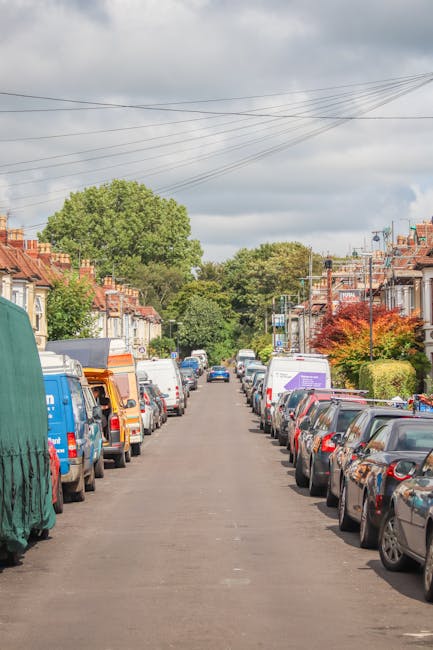
![A view of a busy urban street near Tooting Bec Common, featuring a row of parked cars along the curb and several vehicles moving along the road, including a white van, a red double-decker bus, and various smaller cars. On the sidewalk, pedestrians are walking, some carrying bags, while others stand near the pavement edge. To the right, there is a historic-style building with a small tower and a white facade, adjacent to a residential property with a grey roof. Large green trees line the street, providing shade and adding greenery to the scene. In the background, multi-storey buildings and the canopy of Tooting Bec Common are visible, emphasizing the proximity to public parkland. During a typical home relocation or furniture transport operation, [COMPANY_NAME] would coordinate the loading process, with furniture and boxes carefully wrapped and arranged in the back of a van, ready for moving or delivery, supporting the logistical aspects of house removals in the Balham area.](/pub/blogphoto/tooting-bec-common-removals-access-advice-for-balham-moves1.jpg)
Why Tooting Bec Common removals access advice for Balham moves Matters
Tooting Bec Common sits in a part of south west London where access can change from easy to tricky within a few streets. That is the whole story, really. You may be only a short distance from Balham High Road or a station-side flat, but the practical route for a removal van is never just about distance. It is about where the vehicle can stop, how far the team has to carry boxes, whether the road is wide enough to reverse safely, and whether neighbours, parked cars, or peak-time traffic will get in the way.
For Balham moves, access advice matters because it reduces avoidable delays. A van that cannot pause near the entrance can add time to every trip. A narrow road with poor turning space can make a two-person job feel like a three-person one. And if you are moving furniture, white goods, or a piano, the difference between a good access plan and a poor one is obvious within minutes.
There is also a trust factor here. When movers understand the local layout, they can quote more accurately and arrive better prepared. That means fewer surprises on the day, and fewer of those awkward little moments where everyone is standing in the rain wondering where the sofa is supposed to go. Let's face it, no one wants that.
If you are still planning the move itself, it may help to read about broader local support too, such as removals in Balham or the more specific options for flat removals Balham if stairs, tight halls, and limited access are part of your situation.
How Tooting Bec Common removals access advice for Balham moves Works
In simple terms, access advice is the process of matching the property, the road layout, and the vehicle to the move. It starts before moving day. Ideally, someone checks the exact pick-up and drop-off points, thinks through the likely parking position, and decides whether a small van, medium van, or larger removal vehicle makes the most sense.
Near Tooting Bec Common, the key question is not just "can a van get there?" It is "can a van get there, stop there, unload safely there, and leave again without creating a bottleneck?" That sounds a bit fussy, but in practice it saves a lot of bother. A good access plan takes into account:
- road width and turning room
- local parking pressure
- loading distance from front door to vehicle
- stairs, lifts, and shared entrances
- time of day and traffic patterns
- special items such as wardrobes, beds, or instruments
For many Balham residents, a practical approach is to combine access planning with a service that suits the property type. A move from a second-floor flat with limited street space may call for a different setup than a family house with a driveway. That is why pages like house removals Balham and man and van Balham can be useful starting points when choosing the right level of help.
In our experience, the best moves are the boring ones. No drama, no guessing, no last-minute "we'll just see how it goes."
Key Benefits and Practical Advantages
Good access advice does not just prevent problems; it creates a calmer move overall. That might sound obvious, but people tend to focus on packing and forget that the road outside is part of the job too.
Here are the main advantages:
- Less loading time: closer vehicle placement means fewer carrying trips.
- Lower risk of damage: shorter carries reduce bumps, drops, and awkward turns.
- Better cost control: time saved on access can help keep the job efficient.
- Safer handling: fewer long carries up kerbs, steps, or uneven pavement.
- Less disruption: the move feels tidier for neighbours and passers-by.
There is another benefit that people often miss: better access planning can improve your choice of vehicle. If you know the road is tight, you may prefer a smaller removal van rather than forcing a larger one into a space where it will struggle. That is especially useful around busy Balham routes and the streets feeding towards Tooting Bec Common.
If you are working with a limited time window, a focused service can help. For example, same day removals Balham can be useful when timing is tight, while removal van Balham gives you a better sense of vehicle-first planning.
Who This Is For and When It Makes Sense
This kind of access advice is useful for almost anyone moving in the Balham and Tooting Bec Common area, but it is especially relevant if your property is not served by easy off-street parking. That includes:
- people moving from or into flats near busy local roads
- families relocating to houses with narrow driveways or limited frontage
- students moving with boxed items and shared-living furniture
- office or small business moves needing short loading windows
- households with large or fragile items
It also makes sense if you are moving at a time when the area is simply busier. Morning traffic, school runs, weekend activity, and the general rhythm of south London parking can all make a small access issue feel bigger. A street that seems fine at 11:30 on a Tuesday may feel very different at 8:15 on a Friday.
If your move involves a flat, the right preparation matters even more. The guide on Balham station removals for flat moves is a useful companion read because many of the same access pressures show up there: limited stopping space, stair-heavy properties, and awkward carrying routes.
Truth be told, the people who benefit most from access advice are the ones who think they probably do not need it. That is usually when the small obstacles get a chance to surprise you.
Step-by-Step Guidance
Here is a practical way to handle access planning without overcomplicating it. Keep it simple, but be precise.
- Check the exact property entrance. Look at the front door, side access, alleyways, steps, and any gate or coded entry. Walk the route from door to street if you can.
- Measure the awkward bits. Not every room needs a tape measure, but door frames, stair turns, and long items do. Sofas and wardrobes are the usual troublemakers.
- Assess the street outside. Ask yourself where a van can stop safely, how much of the road would be blocked, and whether there are corners that make reversing difficult.
- Choose the right vehicle size. A smaller van can be the smarter option when access is tight. It may require more than one trip, but it can save time overall if the road is restricted.
- Plan the moving window. If possible, avoid the busiest times for local traffic and parking demand. A slightly earlier or later slot can make a real difference.
- Prepare the property internally. Clear hallways, prop open doors where safe, and keep fragile items labelled. That way the team is not weaving around bags, shoes, and random last-minute clutter.
- Share access notes in advance. If there is a narrow road, steep stairwell, timed entry, or concierge issue, say so early. This is where a detailed quote request helps, such as through pricing and quotes.
- Protect arrival and departure. Make sure the route from van to property is clear. Little things, like a wheelie bin in the wrong place, can be oddly annoying on moving day.
A quick example: if a two-bedroom flat overlooks a road with limited stopping space, the mover may use a smaller vehicle for access and a two-person carry for bulkier items. It is not always about brute force; it is about planning the path.
Expert Tips for Better Results
These are the small things that experienced movers quietly care about, because they make the day run better.
1. Treat the street as part of the property. Many people think only about rooms, stairs, and furniture. But on busy Balham roads, the street is often where the move is won or lost. If the van cannot sit comfortably, everything else becomes harder.
2. Ask about vehicle flexibility. A good mover should be able to suggest a smaller van, a split-load approach, or a different arrival time if access is awkward. If you need a more adaptable setup, man with a van Balham is often worth considering.
3. Keep bulky items grouped together. The team will handle them more efficiently if the large items are not scattered across the property. One hallway full of mixed boxes is a tiny chaos factory, frankly.
4. Photograph the route before moving day. A few quick phone photos of the entrance, the road, and any tight corners can be surprisingly helpful when explaining access to the removals team.
5. Think about weather and light. Rain makes pavements slick. Winter evenings arrive fast. That means the same route can feel fine in daylight and a bit dodgy later on. Small detail, big effect.
6. Match the service to the item type. If you are moving specialist items, the access plan should account for handling as well as transport. For example, piano removals Balham usually require extra care around entry points, turns, and carrying angles.
If you are comparing providers, it also helps to look at the wider service scope. services overview is a sensible place to understand what kind of support may be available before you settle on the final plan.
Common Mistakes to Avoid
Even organised people make avoidable access mistakes. The common ones are usually not dramatic, just inconvenient. And moving day has enough of those already.
- Assuming any van will fit: access near Tooting Bec Common and Balham can be tighter than expected.
- Ignoring the carry distance: even a short road can become a long walk if parking is poor.
- Forgetting lift access or stairs: a lift that is too small for furniture changes the whole move.
- Leaving parking too late: by the time the van arrives, the best stopping spot may be gone.
- Underestimating bulky items: wardrobes, beds, and tables often need more turning space than people expect.
- Not mentioning restrictions: timed access, permit zones, or gate codes should be shared early.
- Skipping the back-up plan: if the ideal stop is taken, have a fallback location ready.
Another classic mistake is overpacking boxes so they become awkward to carry. It is not just a back problem; it can also slow down narrow-route loading where balance matters. That is why sensible prep with packing and boxes Balham can be surprisingly useful even when the headline issue is access.
Tools, Resources and Recommendations
You do not need a full logistics toolkit to handle a move around Tooting Bec Common, but a few practical things help a lot.
- Phone camera: for sharing access photos with your movers.
- Tape measure: for doors, stair turns, and large furniture.
- Notebook or notes app: to record parking restrictions, entry codes, and contact names.
- Labels and marker pens: to keep items grouped by room and priority.
- Floor protection: useful if the route includes shared halls or polished surfaces.
On the service side, choose support that matches the complexity of the move. For a straightforward flat move, flat removals Balham may fit well. For larger or fuller households, house removals Balham can offer a broader approach. If you need secure temporary holding space between places, storage Balham can take pressure off the moving date.
And if you are trying to compare providers without getting lost in jargon, it is sensible to review removal services Balham and removal companies Balham side by side. Sometimes the right choice is not the biggest one; it is the one that understands the street.
Law, Compliance, Standards, or Best Practice
Access planning for removals should always follow sensible road-safety and property-safety practice. That means avoiding unsafe stopping points, keeping pavements clear where possible, and not creating hazards for pedestrians, neighbours, or other road users.
Where parking or stopping restrictions apply, you should follow the local rules in the area and allow enough time for loading. If a permit, notice, or timed arrangement is required, it is best to sort it early rather than hoping for the best. In practice, the exact requirements depend on the street and property setup, so careful checking is wiser than assumptions.
From an industry point of view, good removals practice includes proper handling of belongings, clear communication about access, and careful planning for fragile, heavy, or awkward objects. That sits alongside sensible risk management, especially when carrying items through communal halls or across public footpaths. If you want to understand how a company approaches safety, insurance and safety and the health and safety policy are useful references.
There is also a straightforward customer-side point here: clear information makes for better service. Accurate access details help reduce wasted journeys, under-sized vehicles, and avoidable delays. That is just good practice, no drama.
Options, Methods, or Comparison Table
Different access situations call for different moving methods. The right one depends on road space, property type, and how much you are moving.
| Method | Best for | Strengths | Trade-offs |
|---|---|---|---|
| Small van move | Narrow roads, limited parking, smaller loads | Easier to position, less stressful in tight access | May need more than one trip |
| Standard removal van | Typical flat or house moves with reasonable access | Good balance of capacity and efficiency | Can be awkward on restricted streets |
| Man and van service | Flexible loads, short-distance moves, ad hoc access issues | Adaptable and often practical for local moves | May be less suitable for very large households |
| Storage plus staged move | Delayed completions or incomplete access on one end | Reduces pressure on move day | Requires extra coordination |
For some moves, the best answer is a blend. A small van for the tight street, plus a second run if needed, can beat forcing a larger vehicle into a bad position. Not glamorous, but effective.
Case Study or Real-World Example
Here is a realistic Balham scenario. A couple moving from a first-floor flat near Tooting Bec Common had a mix of boxes, a bed frame, a sofa, and a dining table. The street looked manageable at first glance, but parking was tight and there was no easy space directly outside the building. If the team had arrived with a larger van and no access plan, they would have spent too long shuffling around.
Instead, they used a smaller vehicle, arrived at a quieter time, and pre-walked the route from the entrance to the van. That reduced the carry distance. The sofa still needed two careful people and a bit of turning at the gate, naturally, but the job stayed controlled. The move finished faster than expected because nothing had to be improvised.
The important part was not some magic trick. It was simply knowing the area, anticipating the restriction, and choosing the right setup. That is what good access advice does. It turns an anxious moving day into a manageable one.
If the same couple had also needed to clear a few items between completion dates, a short-term holding plan through storage Balham would have been a sensible backup. Sometimes the smoothest move is the one with a Plan B already baked in.
Practical Checklist
Use this before move day. It is simple, but it catches most of the usual headaches.
- Confirm the full property address and entrance details
- Check whether the street allows easy stopping for loading
- Measure large items and awkward stair turns
- Decide whether a small van or standard van fits the route better
- Share any access notes, codes, or restrictions in advance
- Label fragile and heavy items clearly
- Clear hallways, landings, and doorways
- Prepare a backup loading point if the first one is taken
- Allow time for rain, traffic, or last-minute delays
- Keep essentials with you, not buried in a box tower
Expert summary: the best Tooting Bec Common removals access advice for Balham moves is really a combination of honest planning, realistic vehicle choice, and clear communication. If those three things line up, the day usually feels much easier than people expect.
Conclusion
Tooting Bec Common removals access advice for Balham moves is about making a local move feel calm, controlled, and efficient. Once you stop treating access as a side issue, you start spotting the things that actually slow a move down: poor stopping space, long carry distances, narrow entrances, and unclear instructions. Deal with those early, and the rest tends to fall into place.
For many Balham moves, the smartest choice is not the biggest vehicle or the loudest promise. It is the plan that fits the street, the property, and the practical realities outside your front door. That is where real moving value sits, honestly.
If you are comparing options for a local move, you can also learn more about the team behind the service through about us or get in touch via contact when you are ready to talk through access details.
Get a free quote today and see how much you can save.
And if moving day is feeling a bit bigger than it should, that is normal. A good plan, a steady hand, and a clear route can make a surprisingly human difference.
![A view of a busy urban street near Tooting Bec Common, featuring a row of parked cars along the curb and several vehicles moving along the road, including a white van, a red double-decker bus, and various smaller cars. On the sidewalk, pedestrians are walking, some carrying bags, while others stand near the pavement edge. To the right, there is a historic-style building with a small tower and a white facade, adjacent to a residential property with a grey roof. Large green trees line the street, providing shade and adding greenery to the scene. In the background, multi-storey buildings and the canopy of Tooting Bec Common are visible, emphasizing the proximity to public parkland. During a typical home relocation or furniture transport operation, [COMPANY_NAME] would coordinate the loading process, with furniture and boxes carefully wrapped and arranged in the back of a van, ready for moving or delivery, supporting the logistical aspects of house removals in the Balham area.](/pub/blogphoto/tooting-bec-common-removals-access-advice-for-balham-moves3.jpg)

